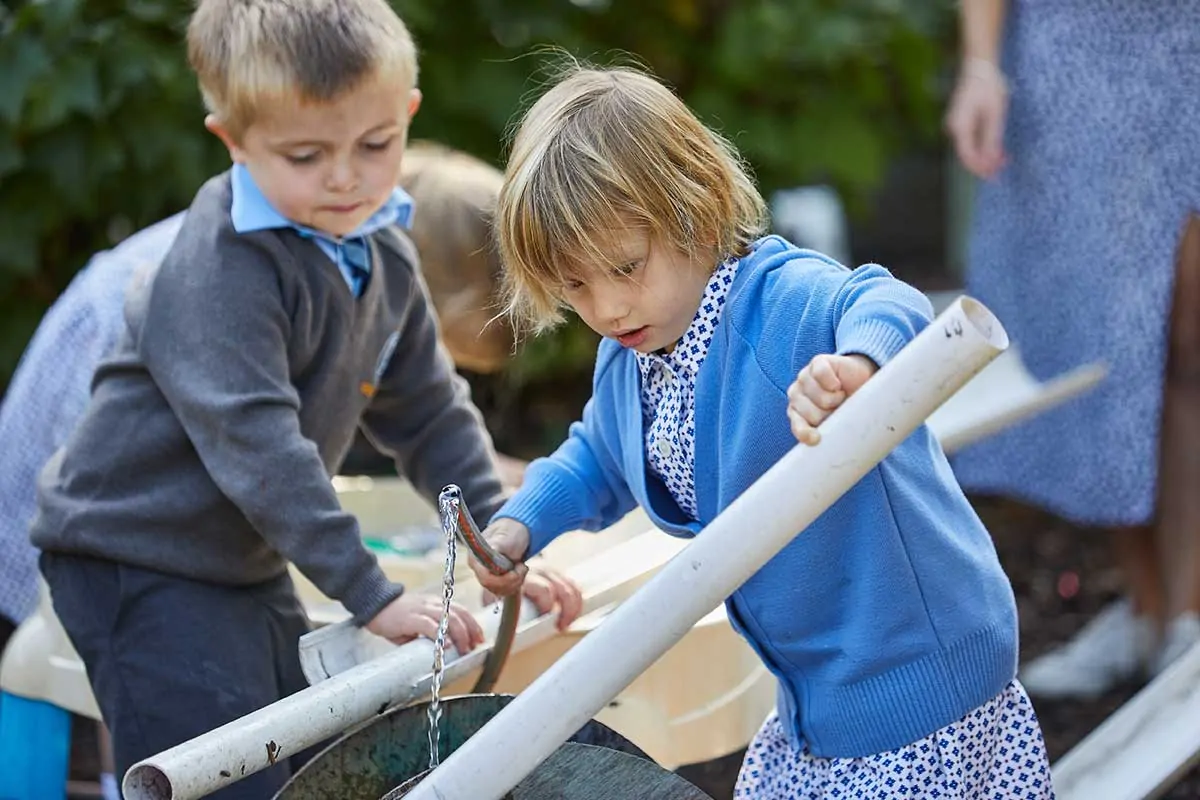
Starting Reception is a big milestone for children and parents alike. Even children who have loved nursery can find the move to “big school” exciting and a little daunting. The good news is that you do not need to teach your child to read or write before they start. What matters most is confidence, independence and a positive feeling about school. This guide covers the skills that help most and simple ways to prepare over the months before September.
What Should Children Be Able to Do Before Starting Reception?
Teachers are not expecting children to arrive as finished learners. Reception is part of the Early Years Foundation Stage, and it is designed to meet children where they are. That said, a few everyday skills make the first weeks much easier.
Self-care and independence
- Using the toilet independently and washing hands afterwards
- Putting on and taking off a coat and shoes
- Opening a lunchbox, packets and drink bottles
- Recognising their own belongings and name label
Social and emotional skills
- Separating from parents for part of the day
- Taking turns and sharing
- Asking an adult for help
- Following simple instructions
Early communication
- Listening to a short story
- Talking about what they have done
- Saying when they are hungry, tired or upset
For a fuller explanation of what Reception children learn, read our guide to the EYFS.
How to Prepare Your Child for Reception at Home
Build independence gradually
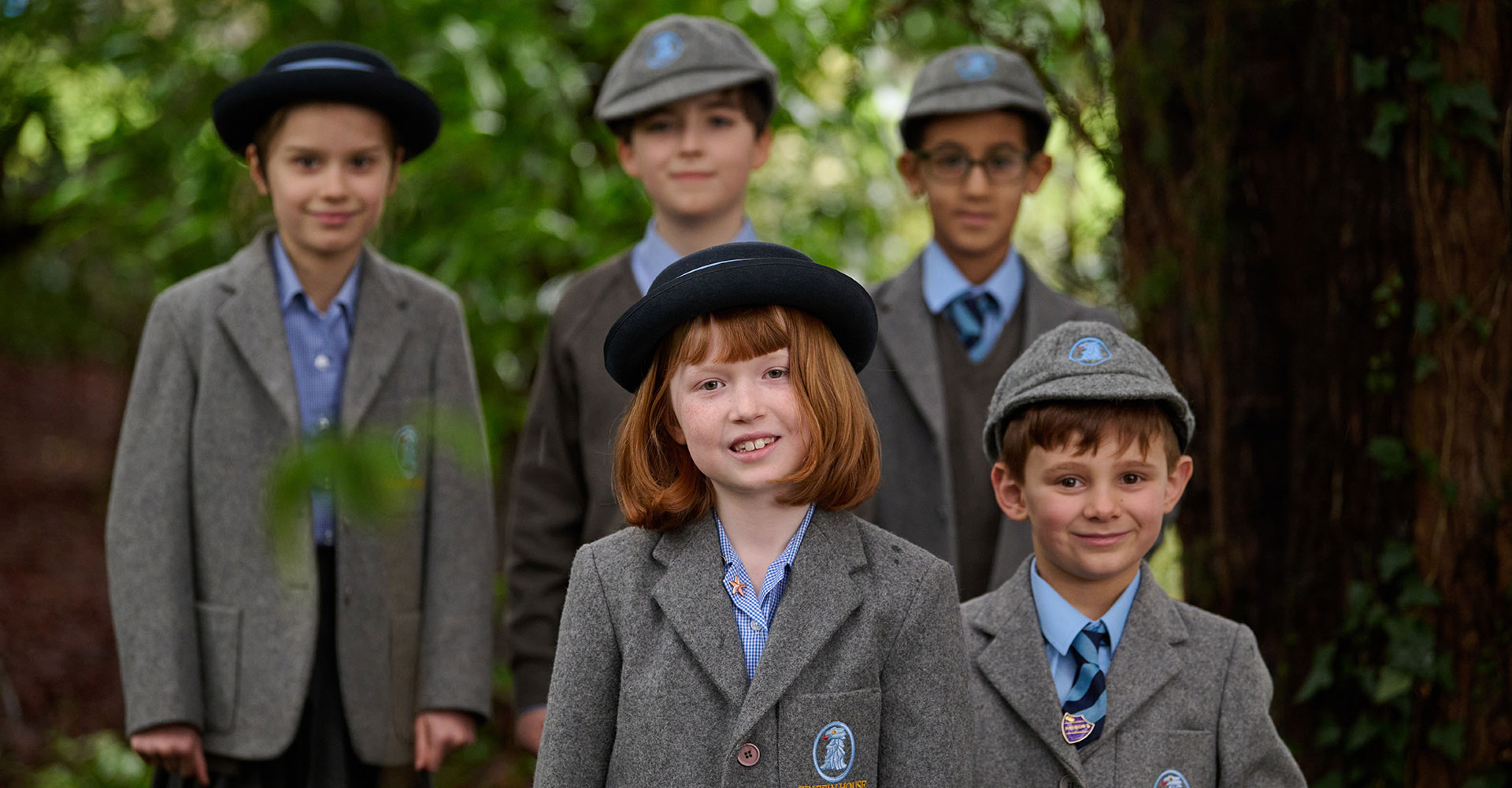
Give your child small jobs, such as carrying their bag, pouring a drink or getting dressed. Practise with the actual school uniform and shoes in the weeks before term so that buttons and buckles are familiar.
Read together every day
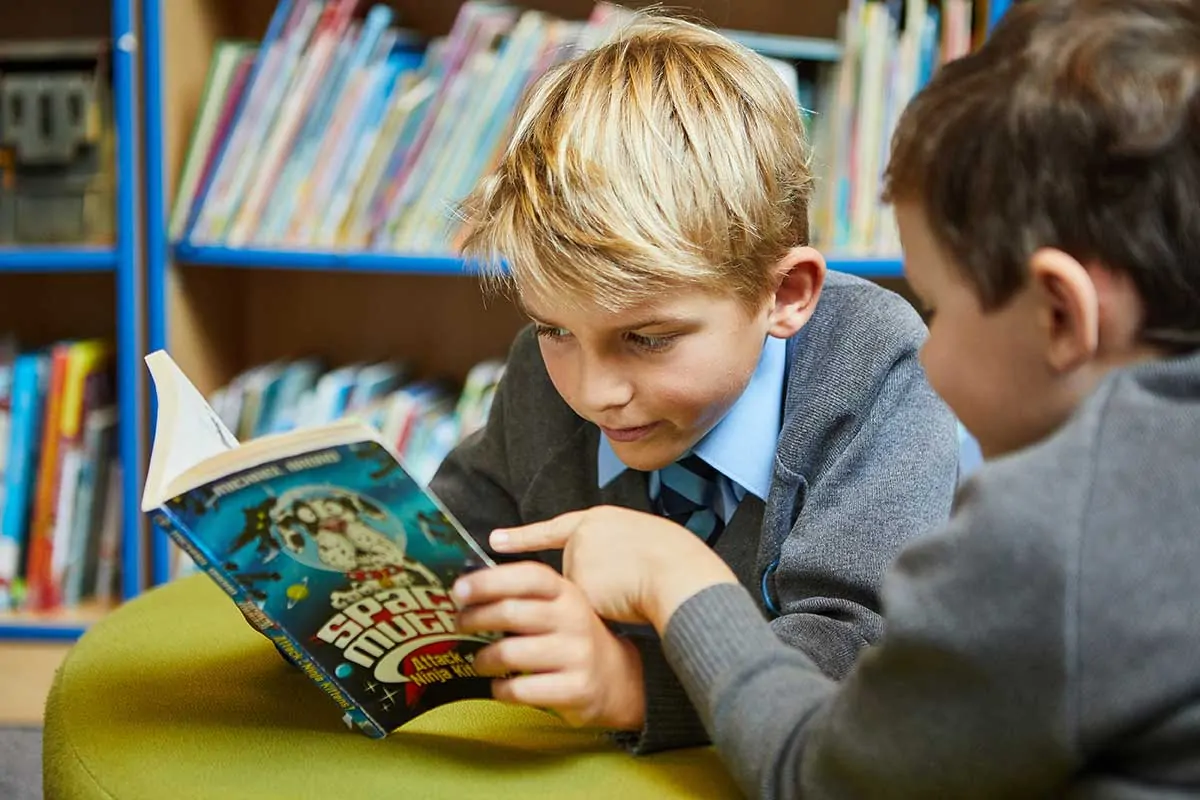
Sharing books is one of the best things you can do. It builds vocabulary, listening skills and a love of stories. You might also choose picture books about starting school, which help children talk through their feelings. Our phonics guide for parents explains how reading will be taught.
Encourage early mark making
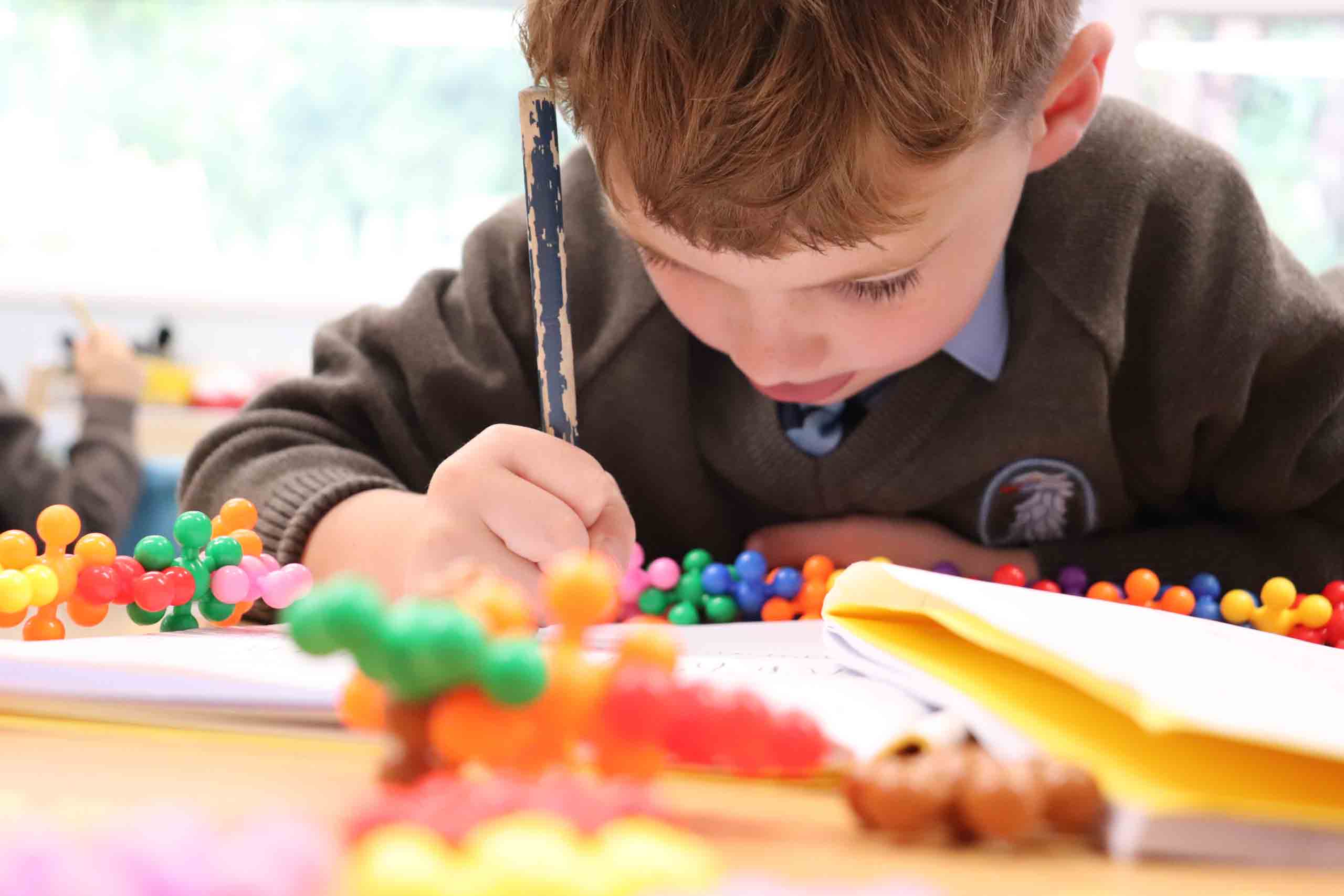
Drawing, painting, playdough and threading beads strengthen the small muscles needed for writing. Children do not need to write their name perfectly, but recognising it is helpful.
Play with numbers
Count steps, sort socks, spot shapes on walks and sing number rhymes. These everyday moments build a strong foundation for early maths.
Talk positively about school
Children pick up on how adults feel. Talk about the fun things they will do, the friends they will make and the teachers who will look after them. Answer questions honestly and calmly.
Getting Ready in the Final Weeks
Visit the school
Most schools offer transition sessions in the summer term. Walking past the school, looking at photographs and meeting the teacher all help make it feel familiar.
Practise the routine
A week or two before term, move gradually to school-day bedtimes and wake-up times. Practise the journey and a calm goodbye.
Label everything
Name labels on uniform, shoes and water bottles save a lot of lost property and help your child feel organised.
Supporting Your Child Through the First Weeks
Children are often very tired in the first half term, so keep after-school plans simple. Some children talk about their day straight away; others need time. Try specific questions such as “Who did you play with?” or “What was the best bit?” If your child is unsettled, speak to their teacher early. Our guide on helping your child settle into nursery has more tips on managing separation.
Moving from Nursery to Reception on One Site
One of the easiest transitions is from a nursery that shares a site with the school. At Griffin House School, near Aylesbury, children in our Little Griffins nursery already know the grounds, routines and many of the staff they will meet in Reception. Our small classes mean teachers get to know each new starter quickly, and daily phonics begins in Reception at a pace that suits every child. Families joining us at Reception from other settings receive the same care, including a personal welcome from our Headteacher.
Frequently Asked Questions
No. Children are taught to read in Reception, starting with daily phonics. Sharing books at home and enjoying stories is the best preparation.
Talk to the school before your child starts. Teachers are used to supporting children with this, and working together will help your child feel confident.
Talk positively, read books about starting school, visit the school if possible and keep goodbyes short and calm. Let the teacher know about any worries.
Both follow the EYFS, but Reception is the first year of school. It usually has a fuller timetable and more structured learning, including daily phonics and early maths.