When parents compare schools, class size is often one of the first questions they ask, and for good reason. In the early years, when children are building the foundations for everything that follows, the number of children in the room makes a real difference. This guide explains why small classes matter for young children, what the benefits look like in practice and what to ask when you visit a school.
How Big Are Primary School Classes?
In England, the law limits infant classes (Reception, Year 1 and Year 2) in state schools to 30 pupils per qualified teacher. Many classes are at or close to that number, and junior classes can be larger. Independent schools set their own class sizes, and many keep them well below 30. For a wider comparison, see our guide to independent vs state primary schools in Buckinghamshire.
The Benefits of Small Classes for Young Children
More individual attention
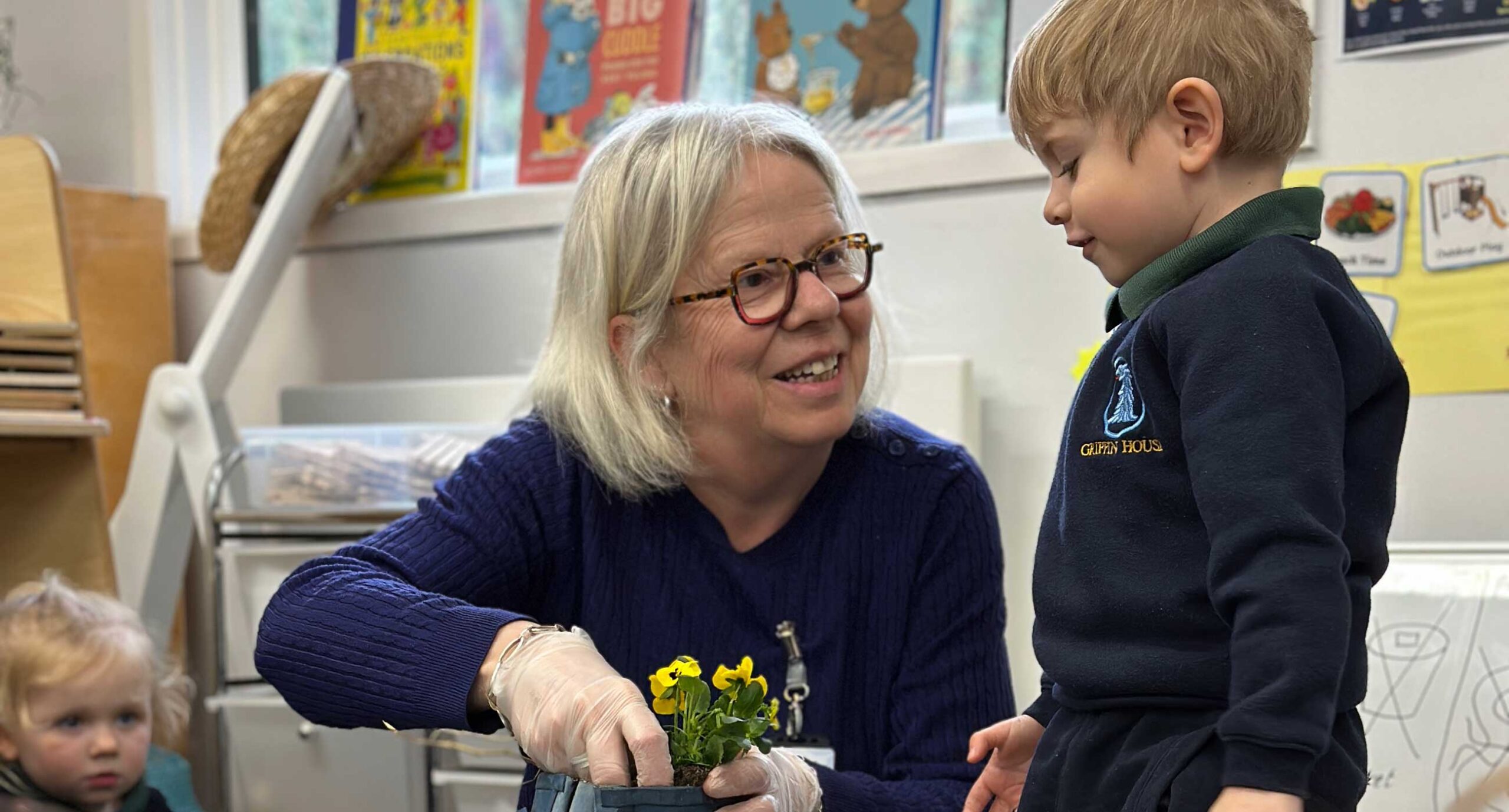
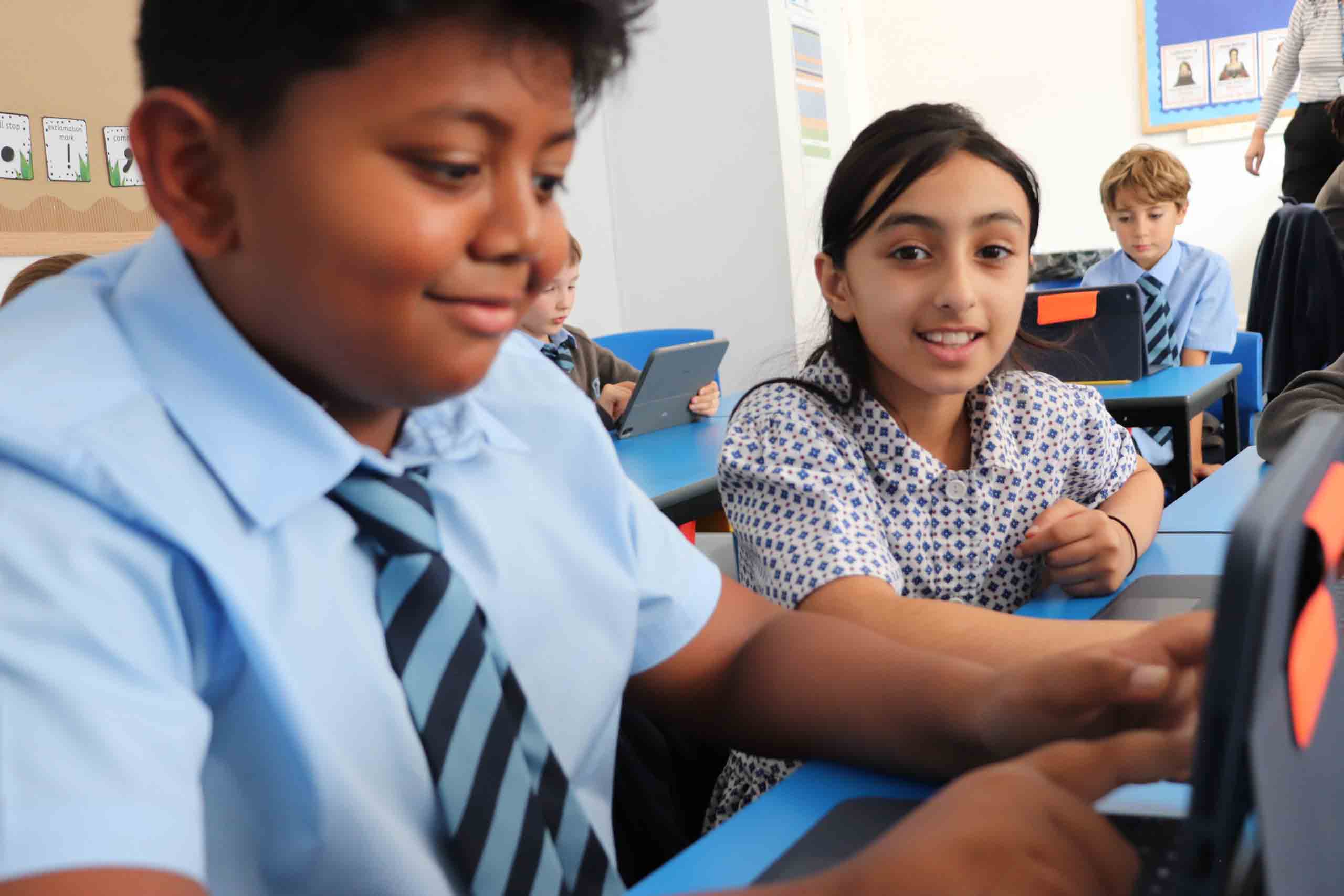
In a smaller class, every child gets more of the teacher’s time. That means more chances to read aloud, ask questions and have their ideas heard. For children aged four to seven, this one-to-one interaction is how much of their learning happens.
Teachers who know every child well
With fewer pupils, teachers quickly learn each child’s strengths, interests and worries. They notice when a child is tired, anxious or ready for a new challenge, and they can respond straight away.
Early support when it is needed
Gaps in early reading, speech or maths are easier to close when they are spotted early. In a small class, teachers can pick up difficulties quickly and give extra help before a child falls behind.
Stretch for children who are ready
Small classes also help children who are racing ahead. Teachers can offer harder challenges and deeper questions, so every child is engaged.
Confidence for quieter children
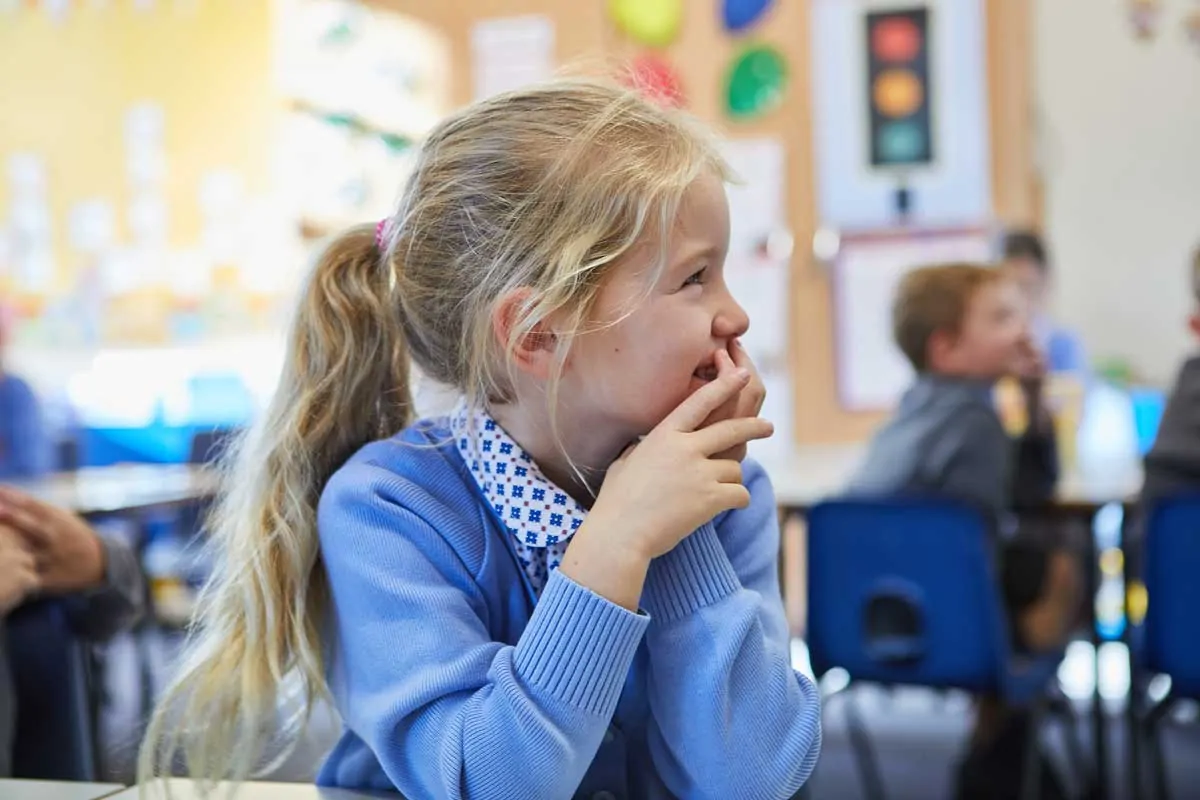
In a large group, shy children can go unnoticed. In a smaller class, they have more opportunities to speak, and a teacher who knows them can gently draw them out.
Calmer classrooms
Fewer children usually means less noise and fewer distractions, which helps young children concentrate and feel settled.
Small Classes and Early Reading
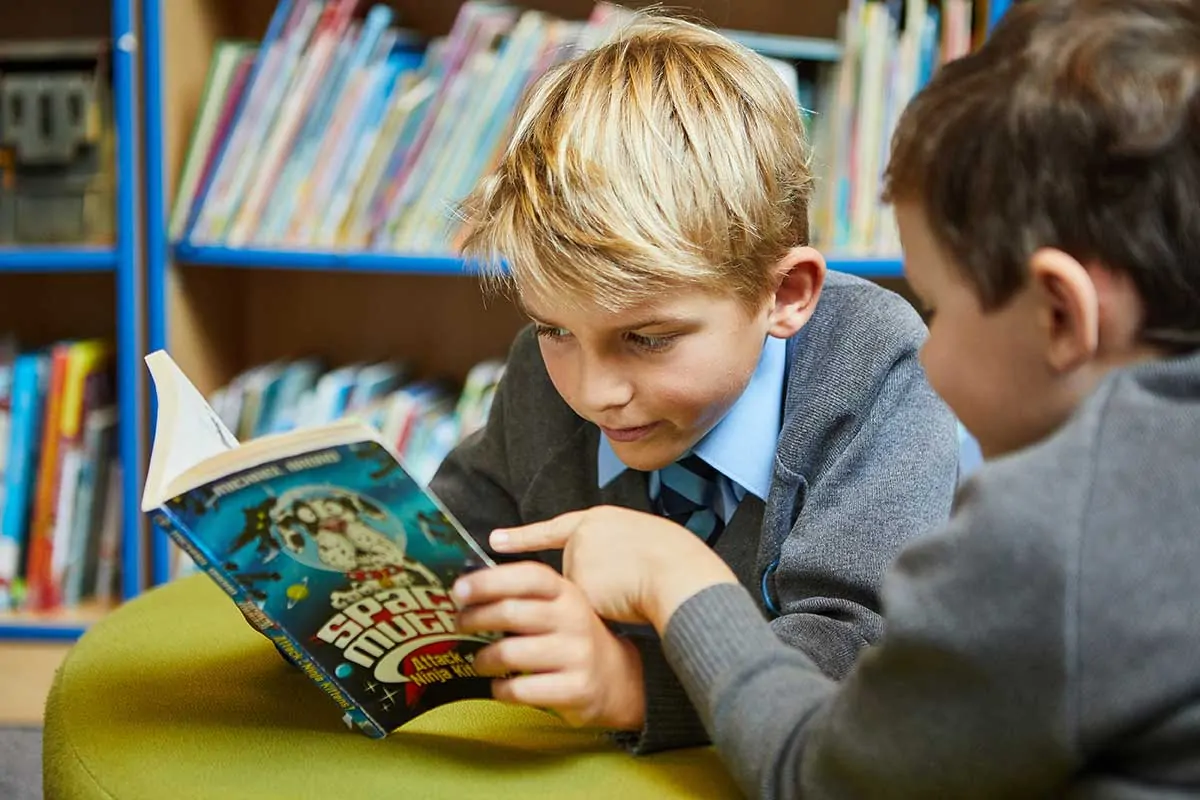
Learning to read depends on regular practice with an adult who listens. In a small class, teachers can hear children read more often, match books carefully to what each child knows and move them on at the right pace. Read our guide to phonics and early reading for more on how reading is taught.
Small Classes and Wellbeing
The early years are not just about academic progress. Children are also learning to make friends, manage their feelings and feel good about themselves. Close relationships with teachers and classmates help children feel secure, and children who feel secure are ready to learn. Smaller classes also make it easier for teachers and parents to keep in regular contact.
Questions to Ask About Class Sizes When You Visit
- How many children are in each class, and what is the maximum?
- How many adults work in the classroom, including teaching assistants?
- Are some lessons taught in smaller groups or sets?
- How do teachers support children who need extra help or more challenge?
- How often will I hear about my child’s progress?
Small Classes at Griffin House School
At Griffin House School, near Aylesbury, small class sizes are at the heart of how we teach. From our Little Griffins nursery through Reception, Pre-Prep and Prep, our classes are kept small so that teaching can be tailored to each child. Our teachers know every pupil well, and specialist teachers bring subjects such as the arts, sport and STEAM to life.
We are non-selective, and our small classes help children of all abilities make excellent progress. Our Year 6 pupils go on to a range of grammar, independent and state schools across Buckinghamshire. To see our classes in action, book a personal tour with our Headteacher.
Frequently Asked Questions
In state schools, infant classes (Reception to Year 2) are limited by law to 30 pupils per qualified teacher. Independent schools set their own limits and often keep classes much smaller.
Smaller classes give teachers more time for each child, which helps them spot difficulties early, stretch able pupils and build strong relationships. These benefits are particularly valuable in the early years.
Generally, yes. Most independent schools keep class sizes well below those of state schools, although sizes vary between schools and year groups.
Ask about the typical and maximum class size, the number of adults in each room and how children are supported or stretched.