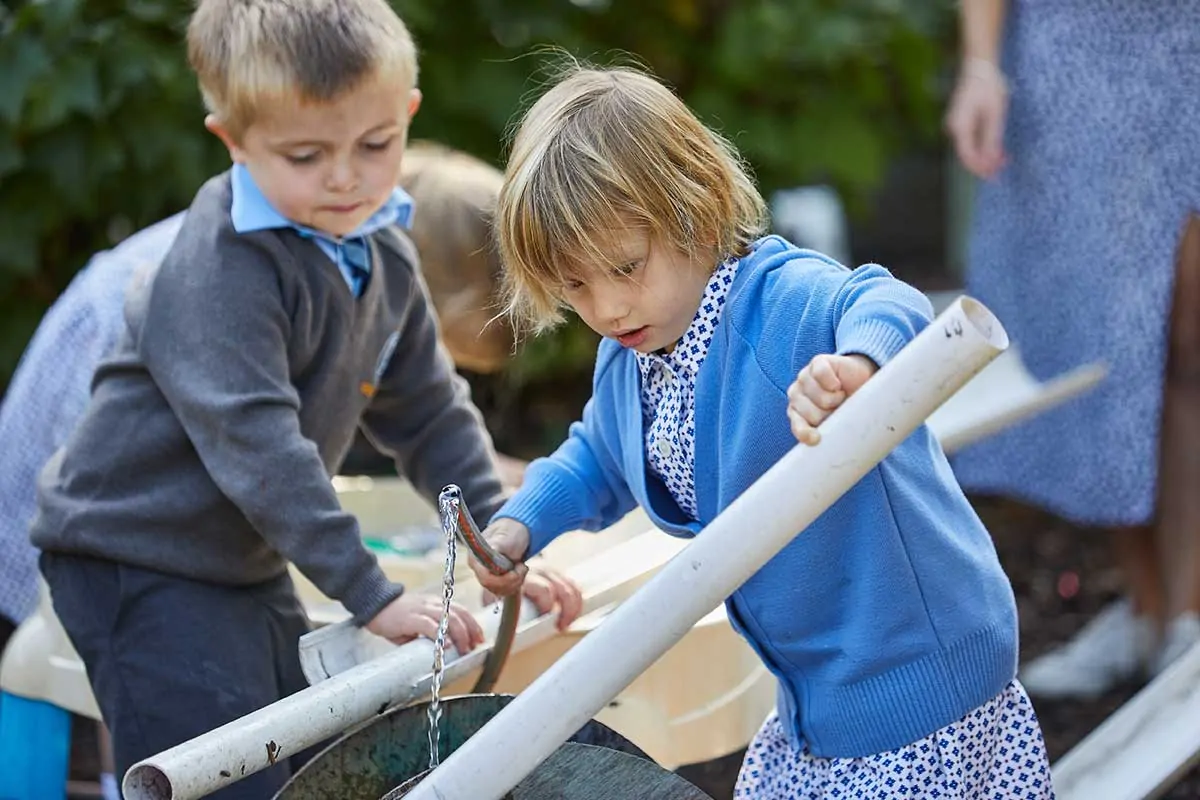
Starting nursery is often a child’s first big step into the world without their parents. It can be an emotional time for the whole family. Some children run in without a backward glance, while others need weeks to feel at home. Both are completely normal. This guide shares practical ways to prepare your child, what to expect during the settling-in period and how to work with nursery staff so your child feels safe, happy and ready to learn.
Why Settling In Matters
Young children learn best when they feel secure. A gentle, well-planned start helps your child build trust in the adults caring for them and confidence in their new surroundings. In the Early Years Foundation Stage, this is part of personal, social and emotional development, one of the three prime areas of learning. Our guide to the EYFS explains more.
How to Prepare Your Child Before Nursery Starts
Talk about nursery positively
Mention nursery in a relaxed, cheerful way in the weeks before. Talk about the toys, the garden, the other children and the grown-ups who will look after them. Keep it low-key so it does not become a source of worry.
Read stories about starting nursery
Picture books about going to nursery help children picture what will happen and give them a way to talk about their feelings.
Practise short separations
If your child is not used to being apart from you, arrange short spells with grandparents, friends or a babysitter. This helps them learn that you always come back.
Build simple independence skills
Encourage your child to take off their coat, wash their hands, and try feeding themselves. These small skills help them feel capable in their new setting.
Visit together
Most nurseries offer visits or stay-and-play sessions before the start date. Seeing the rooms and meeting the staff with you by their side makes the first real day far less strange.
What to Expect During the Settling-In Period
A gradual start
Many nurseries use a phased settling-in approach, starting with short visits with a parent, then brief sessions alone, gradually building up to full sessions. The pace is usually adjusted to each child.
Your child’s key person
Every child in an EYFS setting has a key person. They get to know your child’s likes, routines and comforts, and they are your main point of contact. Share as much as you can about your child, such as nap times, favourite toys, words they use and anything that soothes them.
Tears are normal
Many children cry at drop-off, especially in the first few weeks. Most settle within minutes of their parent leaving. Staff will let you know how your child is doing, and many nurseries are happy to send a quick update if you ask.
Top Tips for a Smooth Drop-Off
- Keep goodbyes short and cheerful. A long goodbye can make it harder for your child.
- Always say goodbye. Slipping away can damage trust. Tell your child you are going and when you will be back, for example “after lunch”.
- Create a goodbye routine, such as a hug, a wave at the window or a special phrase.
- Bring a comforter if your child has one, such as a soft toy or blanket.
- Arrive on time and be punctual at pick-up, so your child learns they can rely on you.
- Stay calm and confident, even if you feel emotional. Children take their cue from you.
Supporting Your Child at Home
Starting nursery is tiring. Expect your child to be extra sleepy, hungry or emotional for a while. Keep home routines predictable, offer plenty of cuddles and allow for quiet time. Ask gentle questions about their day, but do not worry if they do not say much. Many children share more at bedtime.
When to Talk to the Nursery
If your child still seems very unsettled after several weeks, or something at home has changed, speak to their key person. Working together, you can adjust the approach, such as shorter sessions or a new comfort routine.
Settling In at Little Griffins, Griffin House School
At Little Griffins, the nursery at Griffin House School near Aylesbury, every child’s day begins with a calm start designed to help them feel safe and secure. Our staff build strong partnerships with parents, and our small groups mean every child gets the attention they need to settle. Once children feel at home, they enjoy a mix of adult-led activities, specialist sessions, play and outdoor learning in our own Forest School. Later, the move to Reception is gentle because children already know our site and staff. Read our guide to moving from nursery to Reception for more.
Frequently Asked Questions
Every child is different. Some settle within a few days, while others take several weeks. A gradual start and a consistent key person help most children settle within the first half term.
Yes, it is very common. Most children stop crying soon after their parent leaves. Keeping goodbyes short and positive helps.
During the settling-in sessions, you will usually stay for part of the time. Once your child is familiar with the setting, a short, confident goodbye usually works best.
Share your child’s routines, sleep and eating habits, favourite toys, comforters, words they use and anything that upsets or soothes them.