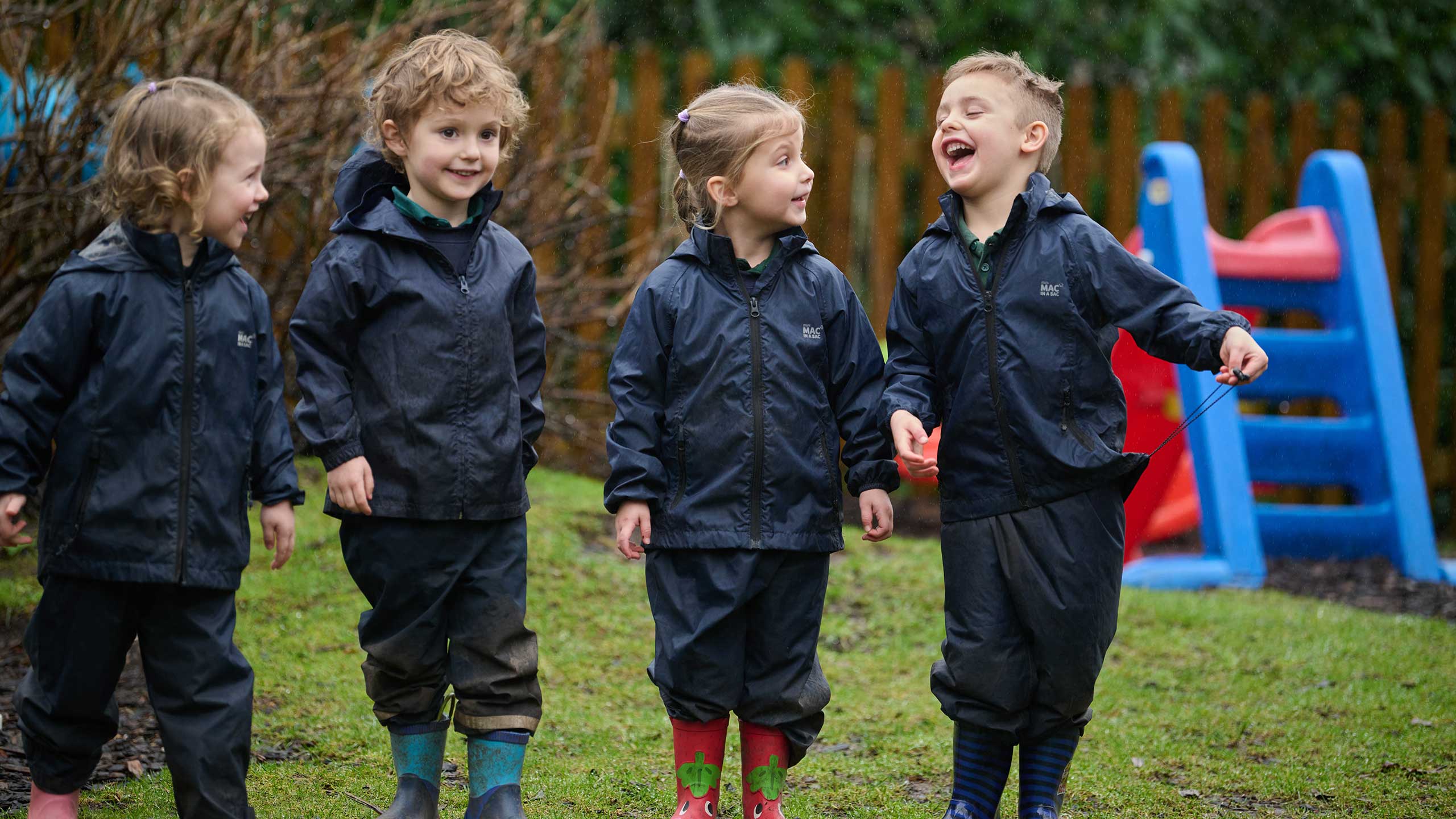
Young children are natural explorers. Give them a muddy path, a pile of leaves or a puddle and they will investigate, question and play for as long as you let them. Outdoor learning uses that curiosity to support every area of early development. This guide explains what outdoor learning is, why it matters so much for children under five and how parents can bring it into family life.
What Is Outdoor Learning?
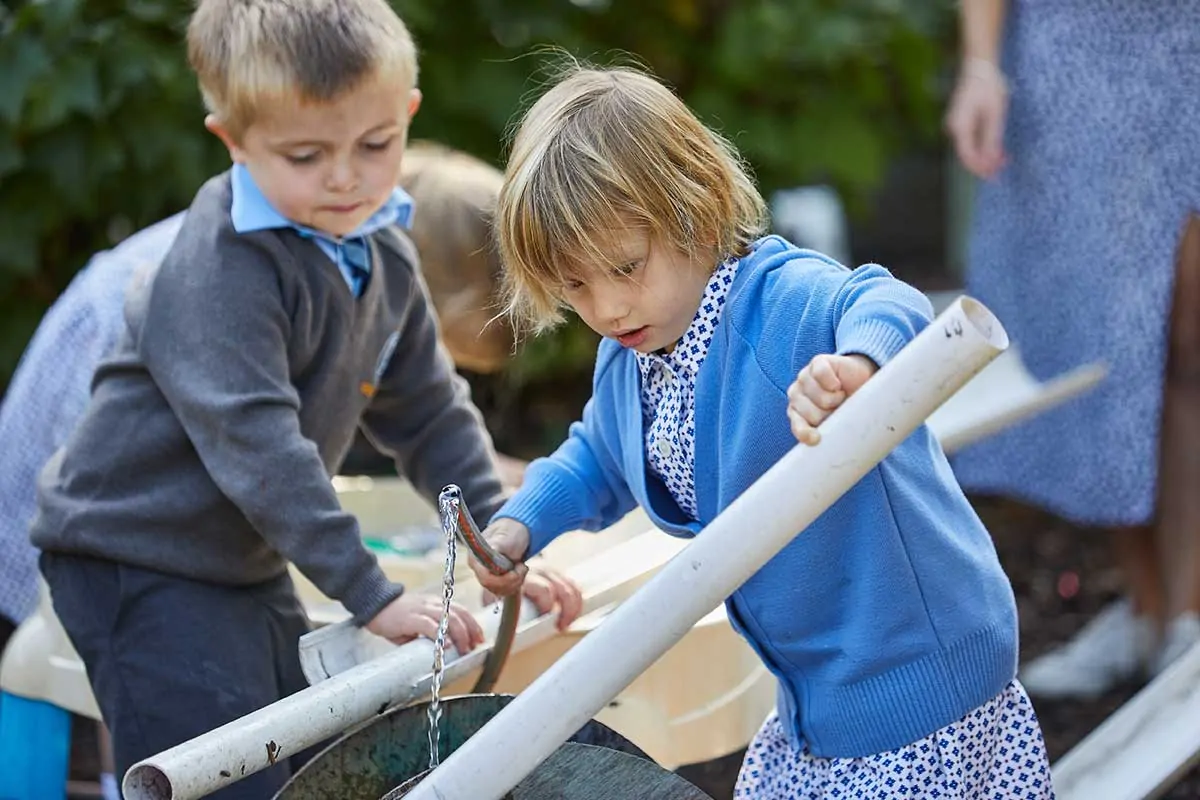
Outdoor learning means taking the classroom outside. It is not just playtime. It is planned learning that uses the natural world, the weather and open space to develop children’s skills. In early years settings, it can include gardening, mud kitchens, den building, nature walks, and structured Forest School sessions.
What is Forest School?
Forest School is a child-centred approach to outdoor learning, usually in a woodland or natural setting. Children take part in regular sessions over time, building confidence through activities such as exploring, building shelters, using simple tools with supervision and learning about plants and wildlife.
Why Outdoor Learning Matters in the Early Years
The Early Years Foundation Stage (EYFS) expects children to have daily outdoor activities unless circumstances make this unsafe. Outdoor learning supports all seven EYFS areas of learning, and it is especially powerful for the three prime areas. Read our guide to the EYFS for more detail.
Physical development
Running, climbing, balancing, digging and carrying build strength, coordination and gross motor skills. Picking up small stones, threading leaves and using trowels develop the fine motor control children later need for writing.
Communication and language
The outdoors gives children plenty to talk about. New sights, sounds and textures spark questions and new vocabulary, such as “slippery”, “crunchy”, “hollow” and “enormous”. Working together on a den or a digging project encourages children to explain, negotiate and listen.
Personal, social and emotional development
Outdoor play helps children manage risk, cope with small setbacks and take pride in what they achieve. Many children who are quiet indoors grow in confidence outside, where there is more space and freedom.
Understanding the world
Watching seasons change, finding minibeasts and planting seeds teach children about the natural world through first-hand experience. They begin to understand growth, weather and how to care for living things.
Early maths and science
Outdoors, maths becomes real: collecting sticks and comparing lengths, counting conkers, filling containers with water and noticing patterns in leaves. Children test ideas and see what happens, which is the start of scientific thinking.
Outdoor Learning and Wellbeing
Time outside is good for children’s wellbeing. Fresh air, movement and natural surroundings help many children feel calmer and more focused. Children who spend time outdoors often sleep better and build healthy habits that last.
How Parents Can Encourage Outdoor Learning at Home
You do not need a large garden to make the most of the outdoors. Families around Aylesbury have the Chiltern Hills, local woodland and parks on their doorstep.
- Go on nature walks and collect leaves, feathers and pine cones to sort and talk about
- Embrace the weather with waterproofs and wellies, and jump in puddles
- Grow something in a pot, such as cress, sunflowers or tomatoes
- Build a bug hotel from sticks and bark, and see who moves in
- Make a mud kitchen with old pans and spoons
- Look up at night and talk about the moon and stars
Outdoor Learning at Griffin House School
Griffin House School is set in five acres of grounds at Little Kimble, in the Chiltern Hills near Aylesbury. Outdoor learning is a natural part of the day for our youngest children. Our Little Griffins nursery has its very own Forest School in the school grounds, where sessions are carefully planned to link with the themes children explore indoors.
We use the grounds, the weather and the sounds of nature to fire children’s imaginations, build self-esteem and develop a respect for the natural world. Outdoor learning continues through the school, and during the holidays our partner, TreeHouse Education, runs Ofsted-registered holiday clubs with a Forest School approach for children aged four to 11.
Frequently Asked Questions
Outdoor learning supports physical development, language, confidence, social skills and understanding of the natural world. It also benefits wellbeing and concentration.
Yes. The EYFS expects early years providers to give children daily outdoor activities, and outdoor play supports all seven areas of learning.
Children explore, build dens, play imaginative games, learn about plants and wildlife and, with close supervision, may use simple tools. Sessions build confidence, teamwork and resilience.
In most settings, yes, with the right clothing. Rain, wind and frost all offer new learning opportunities. Children only stay inside when conditions are unsafe.
A waterproof coat and trousers, wellies, and layers that can be added or removed. Named clothing that can get muddy is ideal.