Choosing a nursery is one of the first big decisions you will make about your child’s education. It affects how your child feels about learning, how confidently they make friends and how ready they are for Reception. Families in Aylesbury and nearby villages, from Wendover to Princes Risborough, can choose between day nurseries, pre-schools and nurseries within independent prep schools. This guide covers what to look for and which questions to ask.
What to Look for in a Nursery in Aylesbury
Warm, qualified and settled staff
The staff make a nursery. Look for adults who get down to children’s level and know every child by name. Ask about qualifications, staff turnover and the key person system. Under the Early Years Foundation Stage (EYFS), every child must have a named key person who gets to know them well and is the main point of contact for parents. Low staff turnover is a good sign, because young children settle best with familiar faces.
Small groups and generous adult attention
The law sets minimum staff-to-child ratios, but many settings do better than that. Ask how many children are in each room and how many adults work with them. In smaller groups, staff notice more and can respond quickly when a child is struggling, excited or ready for a new challenge.
A clear approach to early learning
Every registered nursery in England follows the EYFS. What varies is how well it is put into practice. Ask how staff plan activities around children’s interests, how they track progress and how they share it with you. A strong setting can explain what your child will learn through play and how that builds towards early reading, writing and number work.
Safe, stimulating spaces indoors and outdoors
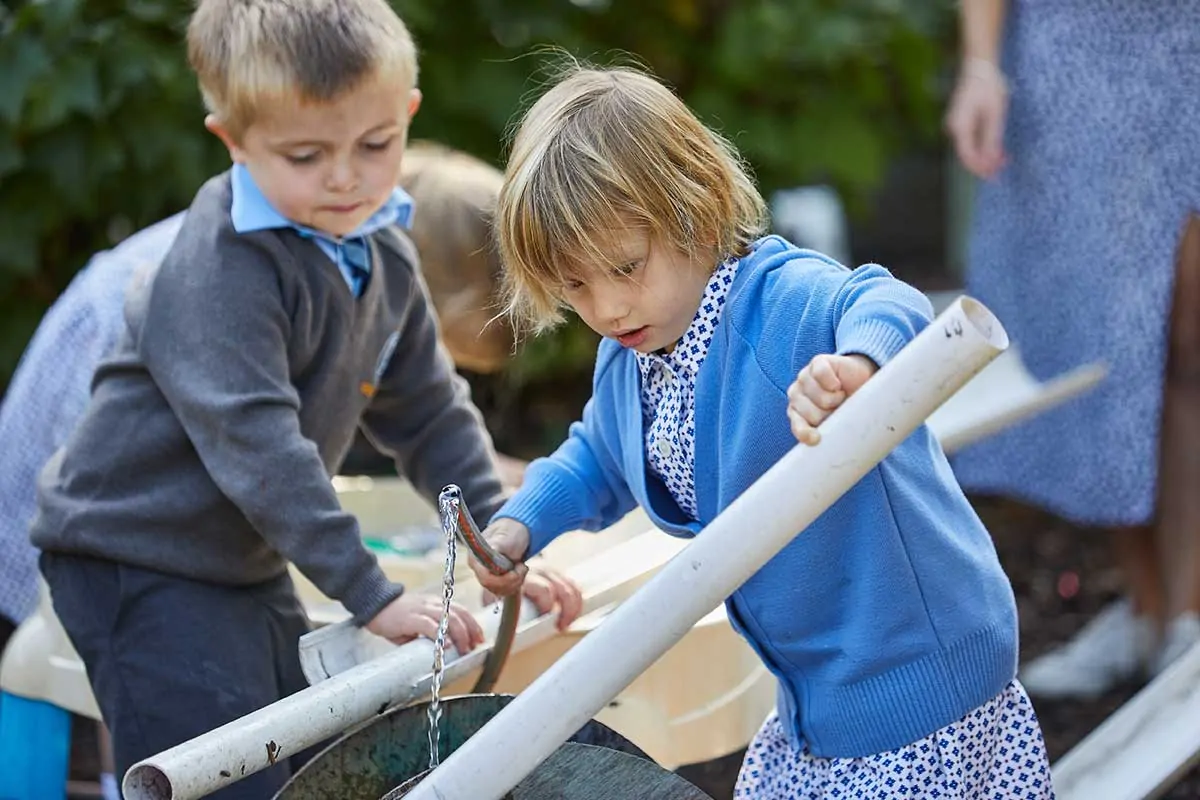
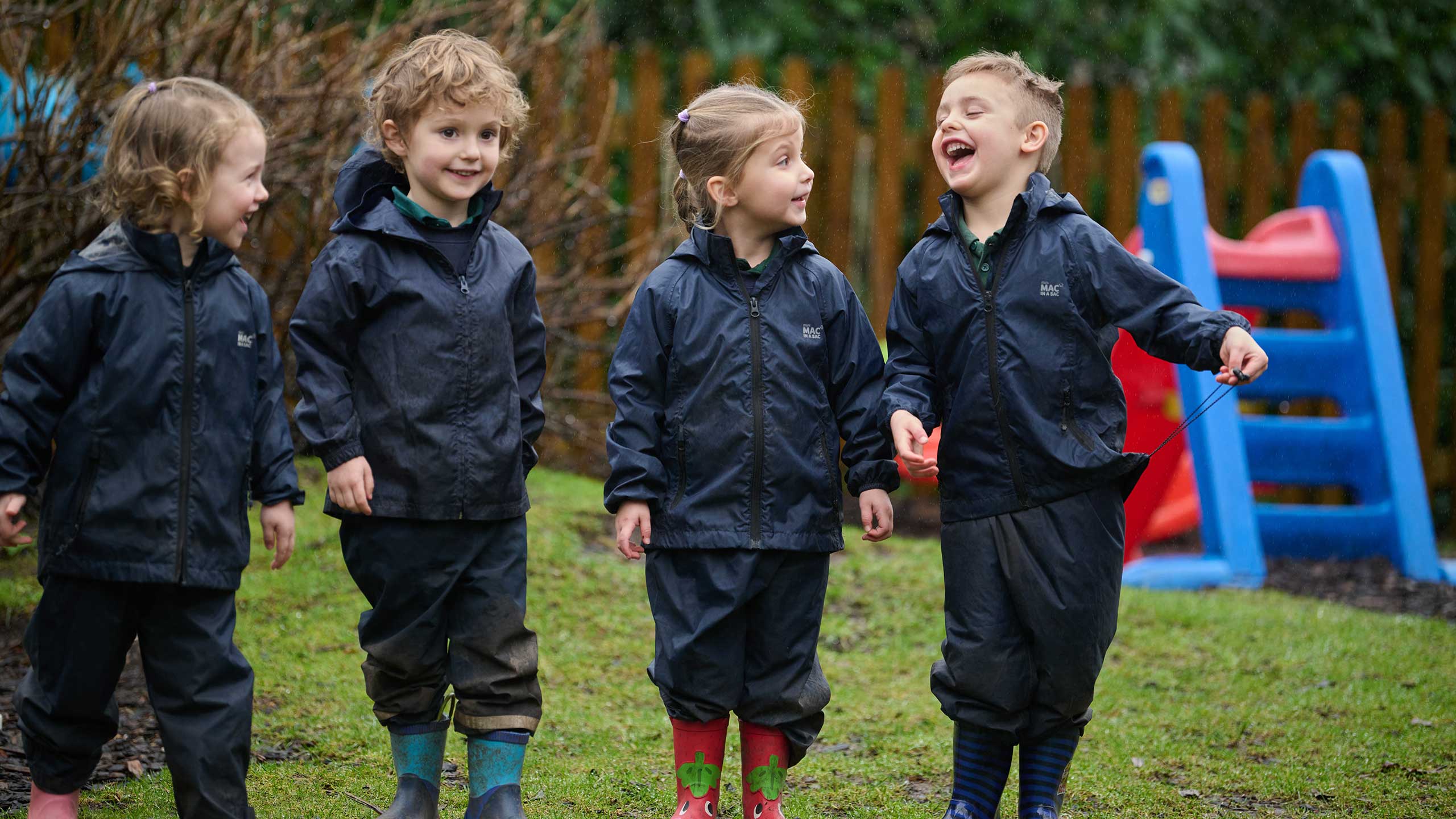
Look at the environment through your child’s eyes. Is there space to build, paint, read and play pretend? Is there daily outdoor learning? Time outside builds confidence, curiosity and resilience, and the Chiltern Hills make a wonderful natural classroom.
Nursery, Pre-School or School Nursery: What Is the Difference?
Day nurseries usually offer long hours all year round and often take babies. Pre-schools tend to run shorter sessions during term time for children aged two to five. School nurseries are attached to a primary or prep school and are usually term time, often with wraparound care.
The benefits of a nursery within an independent prep school
A nursery on a prep school site gives children continuity. They get to know the buildings, routines and teachers they will meet in Reception, which makes the move into school much gentler. Children often benefit from the wider school’s facilities and specialist teaching, and families can stay in one setting from nursery through to age 11 without having to choose again.
Questions to Ask When You Visit a Nursery
Take a list with you on your visit and watch how staff and children interact as you go round. Useful questions include:
- How will my child be settled in, and how long does it usually take?
- Who will be my child’s key person?
- How many children and adults are in each group?
- How much time do children spend outdoors?
- How do you share my child’s progress with me?
- How do you support children with additional needs?
- What happens when children move on to Reception?
Understanding Funded Childcare Hours in Buckinghamshire
In England, all three and four-year-olds can get 15 hours a week of funded early education over 38 weeks of the year. Eligible working parents can claim up to 30 hours a week for children from nine months old. Settings apply funded hours in different ways, so ask how they work alongside the nursery’s own fees, and whether there are extra charges for meals, consumables or longer days. Buckinghamshire Council’s Family Information Service can help you check what you are entitled to.
How to Tell If a Nursery Is Right for Your Child
Trust your instincts, and read our tips on helping your child settle into nursery. Take your child with you and see how they respond. Do the children seem happy and busy? A good nursery feels calm and purposeful, somewhere you can picture your child being themselves.
Little Griffins Nursery at Griffin House School
At Griffin House School in Little Kimble, just outside Aylesbury, our Little Griffins nursery welcomes children from the age of two. We are set in five acres of grounds in the Chiltern Hills, and outdoor learning is part of every day. Our children move on to Reception, Pre-Prep and Prep on the same site, with small classes and the same caring team around them. All Day Care is available for working families.
Our 2024 Independent Schools Inspectorate report noted that “teachers and teaching assistants in the early years are enthusiastic and have expert knowledge of how young children learn”. To see Little Griffins for yourself, book a personal tour with our Headteacher.
Frequently Asked Questions
Many day nurseries take babies, while pre-schools and school nurseries usually start at two or three. Little Griffins at Griffin House welcomes children from the age of two.
All three and four-year-olds are entitled to 15 funded hours a week in term time. Eligible working parents can claim up to 30 hours a week for children from nine months old. Check with each nursery how it applies these hours.
Start looking six to twelve months before you need a place, particularly for popular settings with small groups. This leaves time to visit several nurseries and plan a relaxed settling-in period.
It varies from school to school. At an independent prep school, children in the nursery can often continue into Reception on the same site, but always ask about the school’s admissions process when you visit.