If your child is starting nursery or Reception, you will probably hear the letters EYFS mentioned a lot. The Early Years Foundation Stage shapes everything your child does from their first day at nursery to the end of Reception. Understanding it helps you make sense of what your child is learning, why so much of it looks like play and how you can support them at home. This guide explains the EYFS in plain English.
What Is the Early Years Foundation Stage?
The Early Years Foundation Stage (EYFS) is the statutory framework that sets the standards for learning, development and care for children from birth to five in England. Every registered early years provider must follow it, including nurseries, pre-schools, childminders and school Reception classes, in both the state and independent sectors.
The EYFS has two main parts:
- Learning and development: what children should learn and how
- Safeguarding and welfare: how children are kept safe, healthy and well cared for
The Seven Areas of Learning in the EYFS
The EYFS is built around seven areas of learning, which are split into prime and specific areas.
The three prime areas
The prime areas are the foundations for everything else, and they are especially important for younger children.
- Communication and language: listening, attention, understanding and speaking
- Personal, social and emotional development: confidence, making friends, managing feelings and behaviour
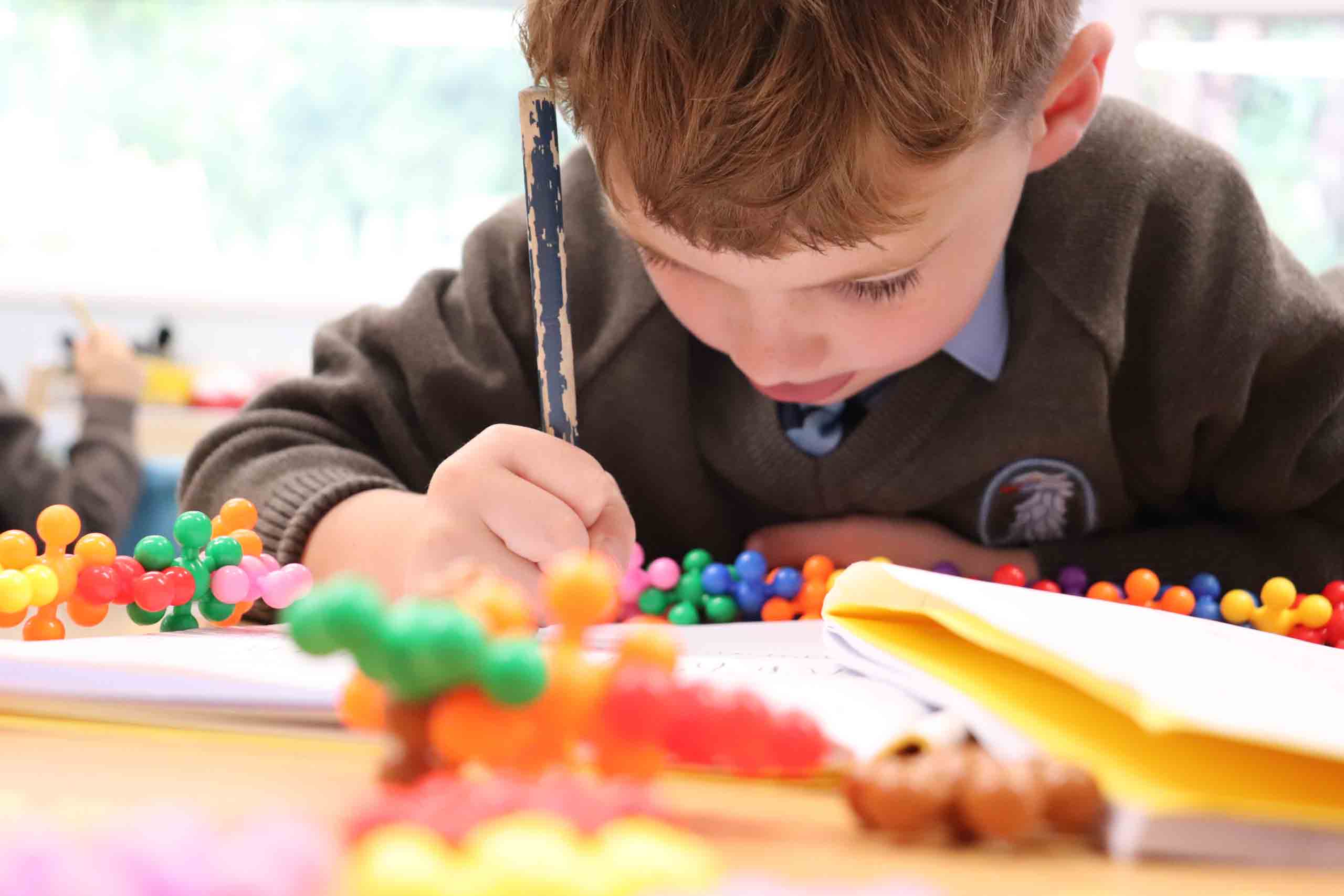
- Physical development: movement, coordination, balance and fine motor skills such as holding a pencil
The four specific areas
The specific areas build on the prime areas once children are ready.
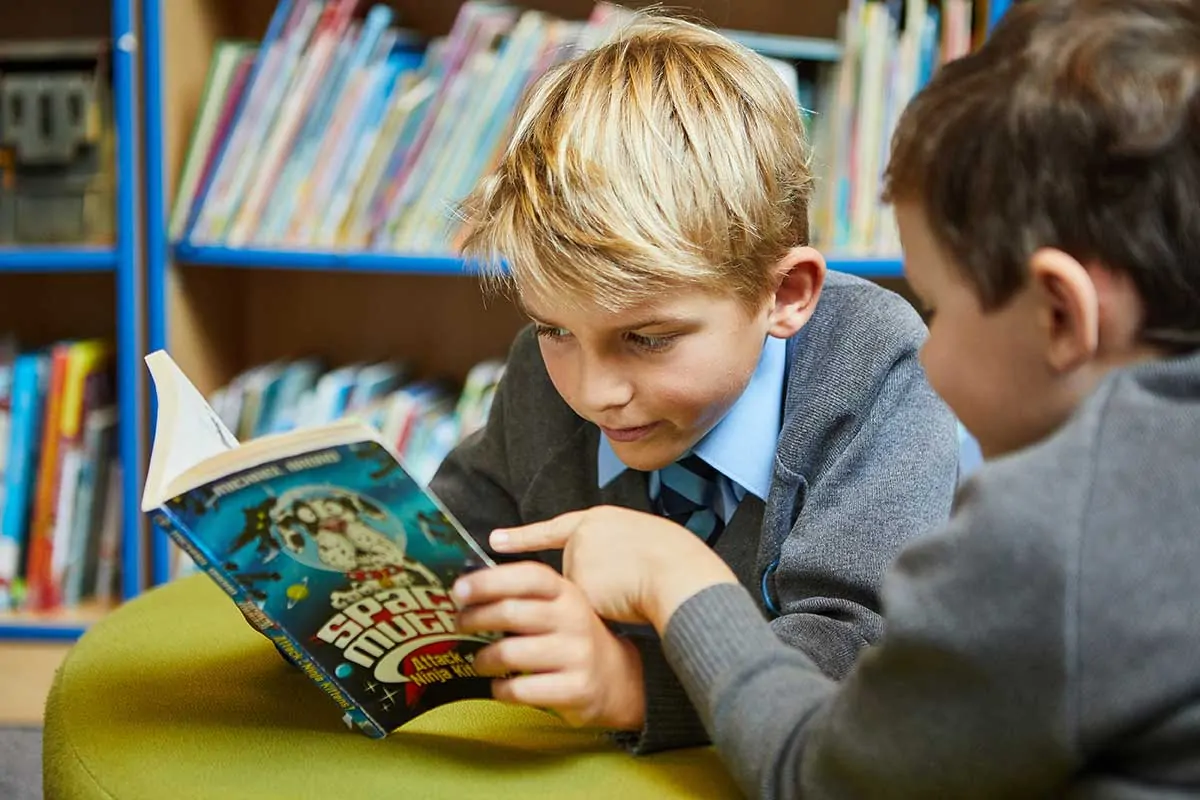
- Literacy: early reading, writing and a love of books
- Mathematics: number, counting, shape and pattern
- Understanding the world: people, communities, the natural world and technology
- Expressive arts and design: art, music, dance, role play and imagination
Learning Through Play: The Characteristics of Effective Learning
Parents are sometimes surprised by how much of the EYFS is play. Play is how young children learn best. The EYFS describes three characteristics of effective learning:
- Playing and exploring: investigating and trying things out
- Active learning: concentrating, keeping going when things are hard and enjoying achievements
- Creating and thinking critically: having ideas, making links and finding ways to do things
A good early years setting balances child-led play with short, adult-led activities, such as daily phonics in Reception.
How Is Progress Checked in the EYFS?
The key person
Every child in an EYFS setting has a key person, a named practitioner who gets to know them well and works closely with parents.
The progress check at age two
Between the ages of two and three, practitioners write a short summary of a child’s development in the prime areas and share it with parents.
The Early Learning Goals and the EYFS Profile
At the end of Reception, teachers assess each child against 17 Early Learning Goals across the seven areas. This assessment, the EYFS Profile, is shared with parents and with the Year 1 teacher to support a smooth transition.
How Parents Can Support EYFS Learning at Home
You do not need special resources to support your child’s learning. Everyday activities count:
- Share books every day and talk about the pictures and story
- Count stairs, toys and pieces of fruit
- Cook together, which builds maths, language and fine motor skills
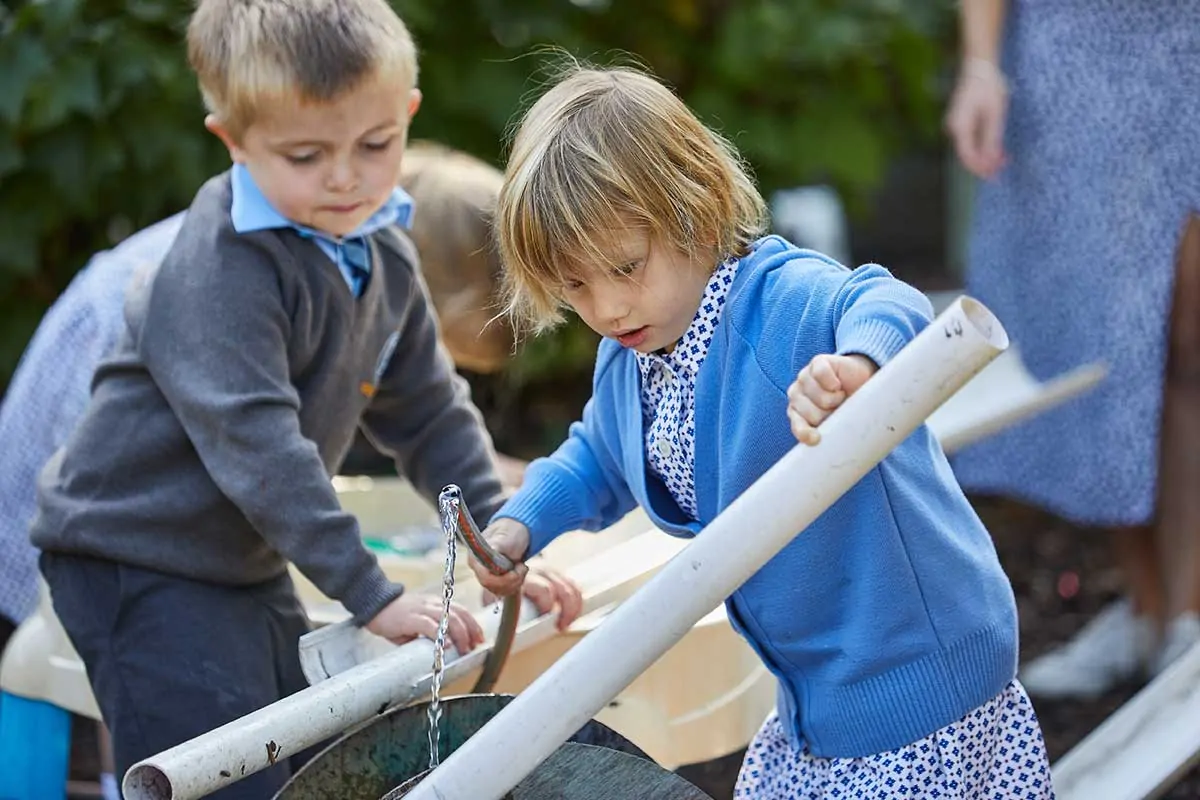
- Play outdoors, climb, run and explore nature
- Encourage independence with dressing, tidying and toileting
- Talk about feelings and take turns in games
Our guide to preparing your child for Reception has more practical ideas.
The EYFS at Griffin House School
At Griffin House, near Aylesbury, the EYFS begins in our Little Griffins nursery and continues through Reception. Our teaching combines structured, adult-led sessions with child-initiated play, and we focus on the prime areas first, moving on to the specific areas when each child is developmentally ready. Children enjoy specialist sessions and regular outdoor learning, including our own Forest School in the school grounds.
Our May 2024 Independent Schools Inspectorate report noted that “teachers and teaching assistants in the early years are enthusiastic and have expert knowledge of how young children learn”. Because nursery and Reception are on the same site as Pre-Prep and Prep, children move on with confidence.
Frequently Asked Questions
The EYFS covers children from birth to the end of the Reception year, usually when they are five.
Yes. All registered early years providers in England, including independent school nurseries and Reception classes, must follow the EYFS framework.
The three prime areas are communication and language, personal, social and emotional development, and physical development.
There are 17 Early Learning Goals, which teachers use to assess children at the end of Reception.
Play is the main way young children learn in the EYFS. Well-planned play builds language, social skills, physical development and early maths and literacy.